Insights
TracePass Intel
Analysis of critical material supply chains, traceability and the regulation driving transparency.
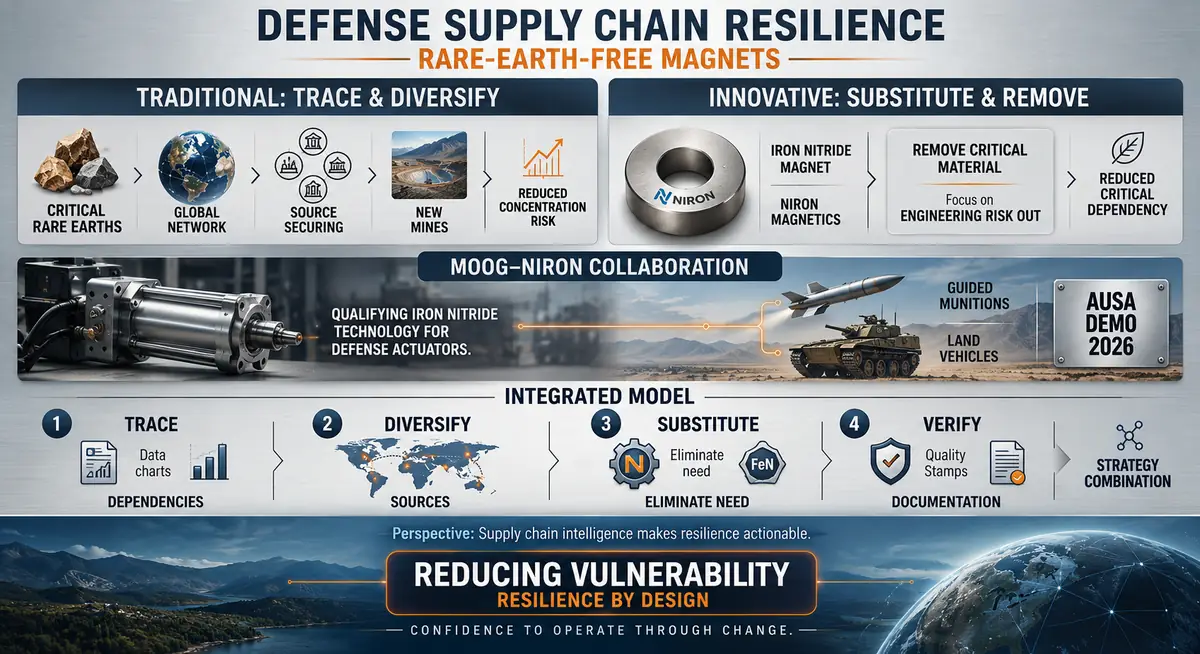
What If the Most Resilient Rare Earth Supply Chain Uses No Rare Earths?
Moog and Niron Magnetics are testing rare-earth-free permanent magnets for defense actuator applications, taking a fundamentally different approach to critical-material supply-chain risk. Instead of diversifying the source, they are…
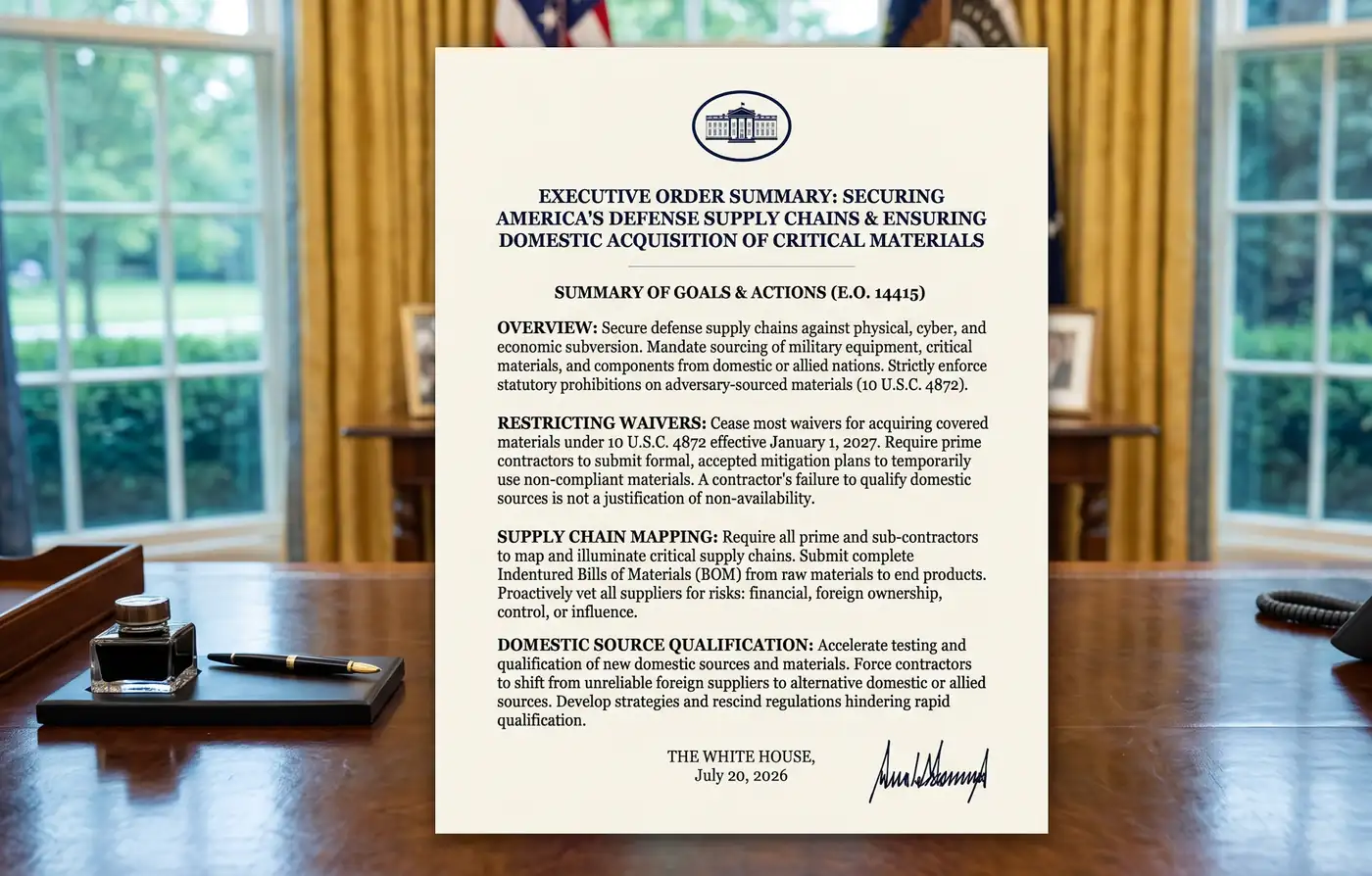
Executive Order 14415 - July 20, 2026
By the authority vested in me as President by the Constitution and the laws of the United States of America, it is hereby ordered:
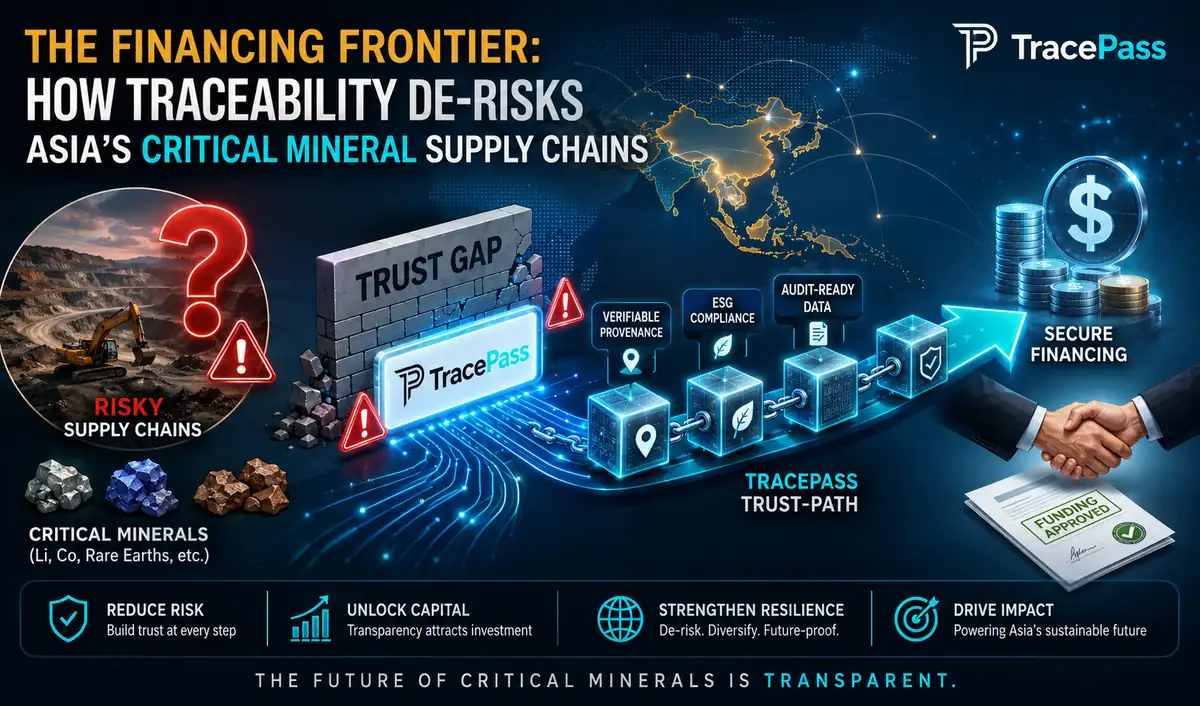
The Financing Frontier: How Traceability is De-risking Asia’s Critical Mineral Supply Chains
As Asia strengthens its critical mineral supply chains, financing is increasingly tied to transparency rather than extraction alone. Discover how digital traceability, verifiable provenance, and audit-ready data are becoming essential for unlocking investment and reducing supply chain risk.
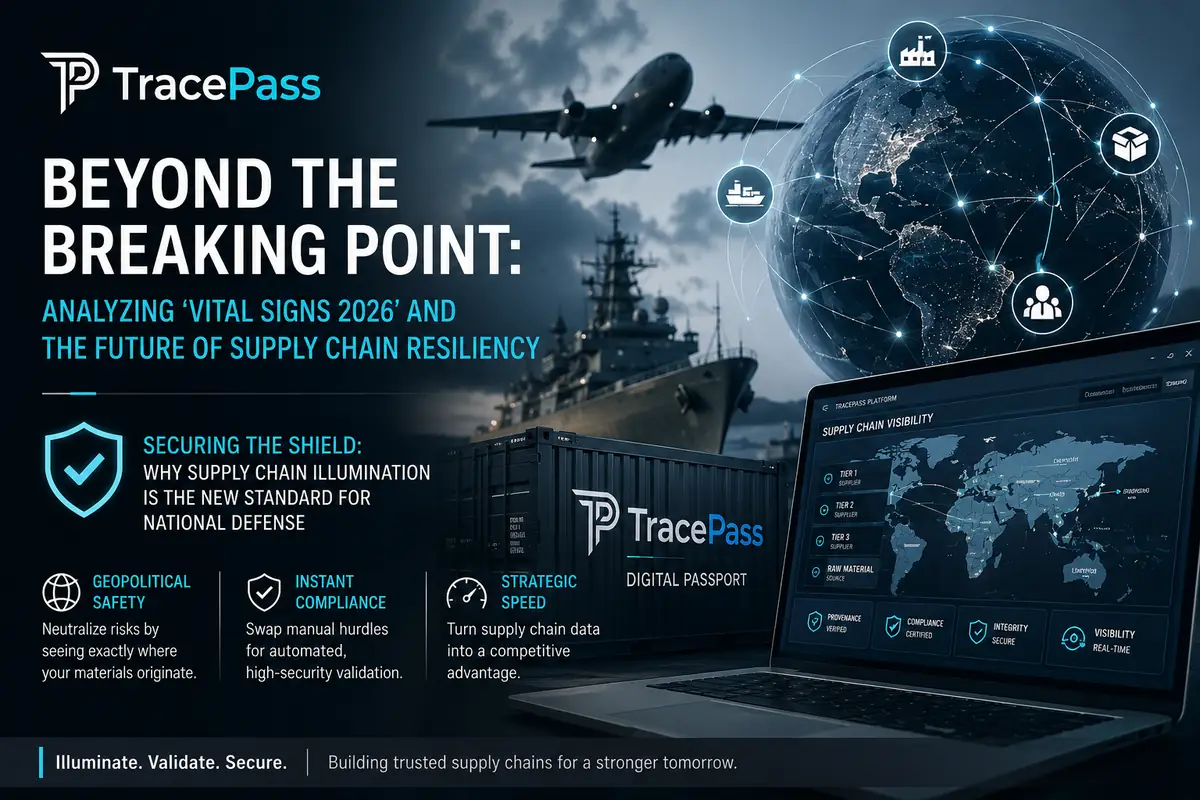
Securing the Shield: Why Supply Chain Illumination is the New Standard for National Defense
In the wake of the latest Vital Signs 2026 report from the National Defense Industrial Association (NDIA), one thing is clear: the era of "business as usual" in global logistics is over. The report paints a stark picture of a defense…
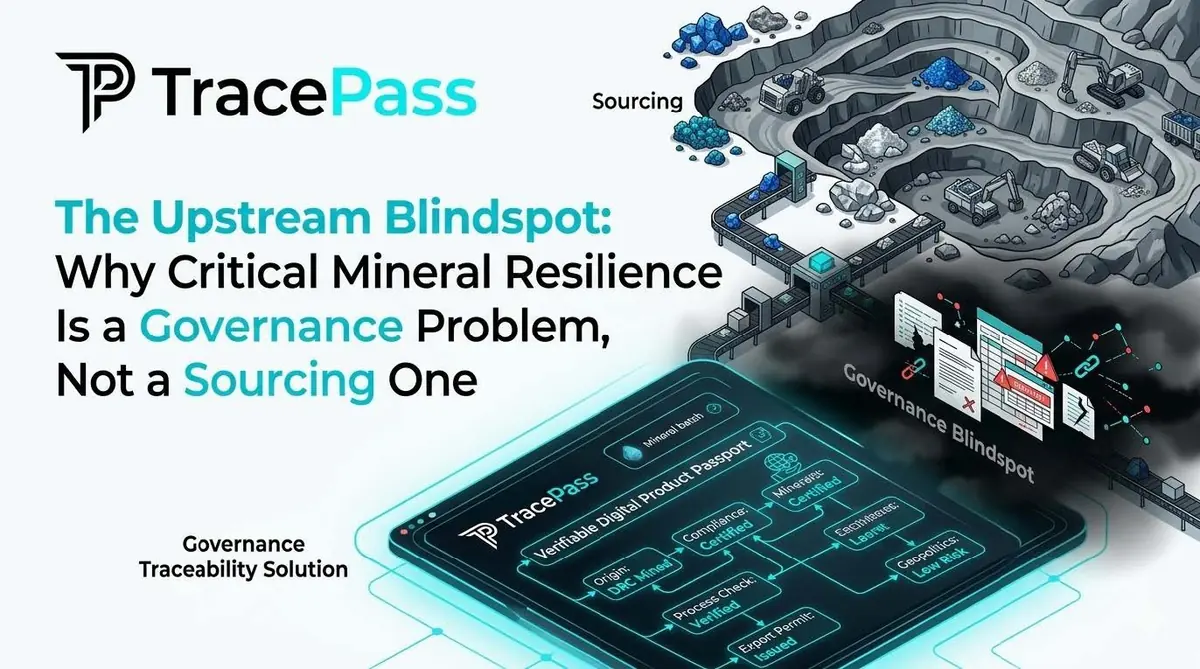
The Upstream Blindspot: Why Critical Mineral Resilience Is a Governance Problem, Not a Sourcing One
In the race to build domestic manufacturing capacity for electric vehicles, defense systems, and clean energy tech, Western policy has focused intensely on downstream infrastructure. Billions of dollars are being poured into building…
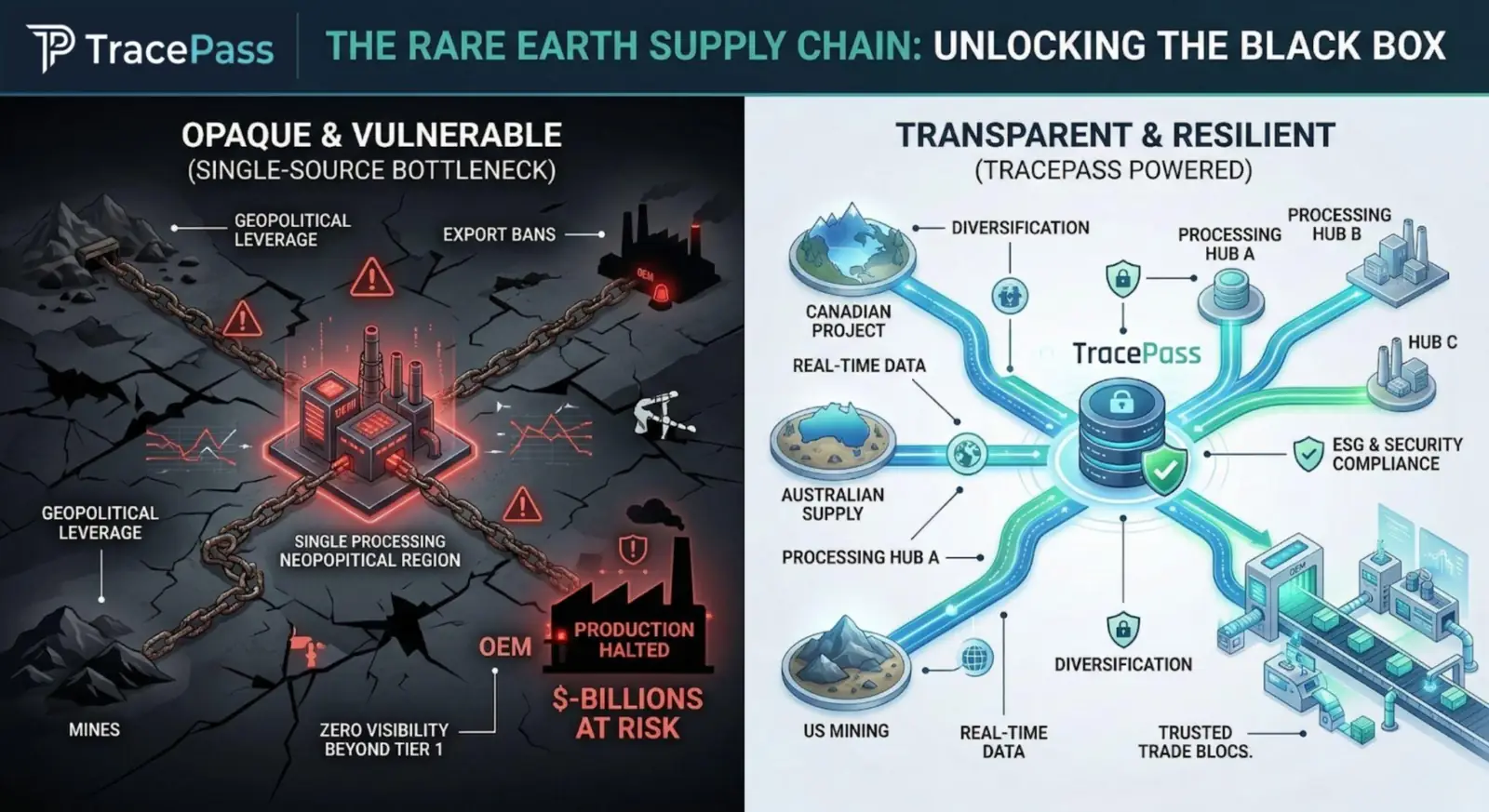
Rare Earths and the Fragility of Modern Warfare (and Industry)
Rare earth supply chains have long operated as opaque, single-source systems leaving industries exposed to geopolitical risk and costly disruptions. As global demand rises, a shift toward traceability, diversification, and real-time data is transforming these fragile networks into resilient, transparent ecosystems.
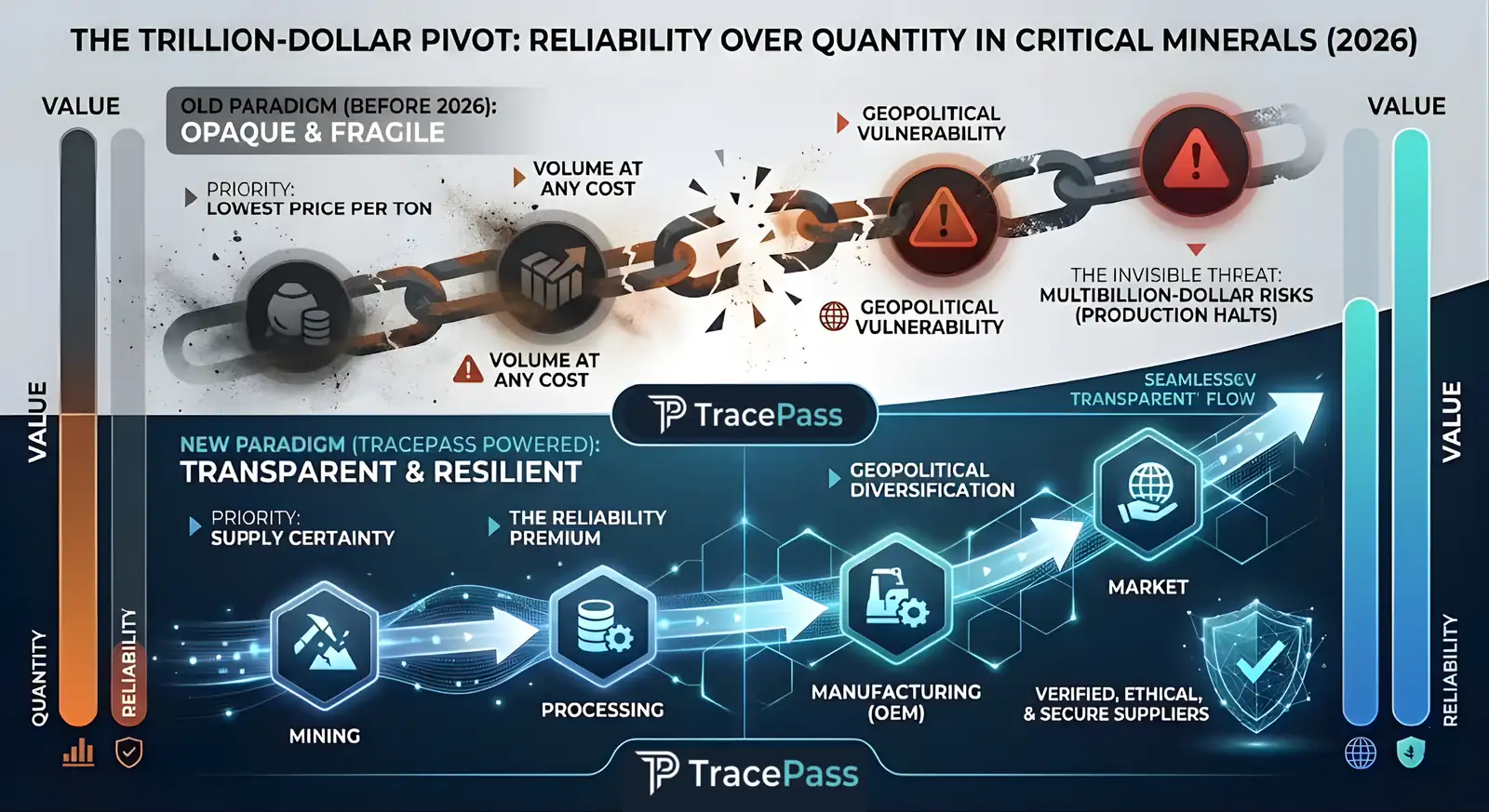
Global Shift: Reliability Over Quantity in 2026
The critical minerals industry is undergoing a major shift from prioritizing low-cost, high-volume sourcing to focusing on reliability, transparency, and supply chain resilience. As geopolitical risks rise and production disruptions become more costly, companies are turning to traceability and verified data to secure long-term value.
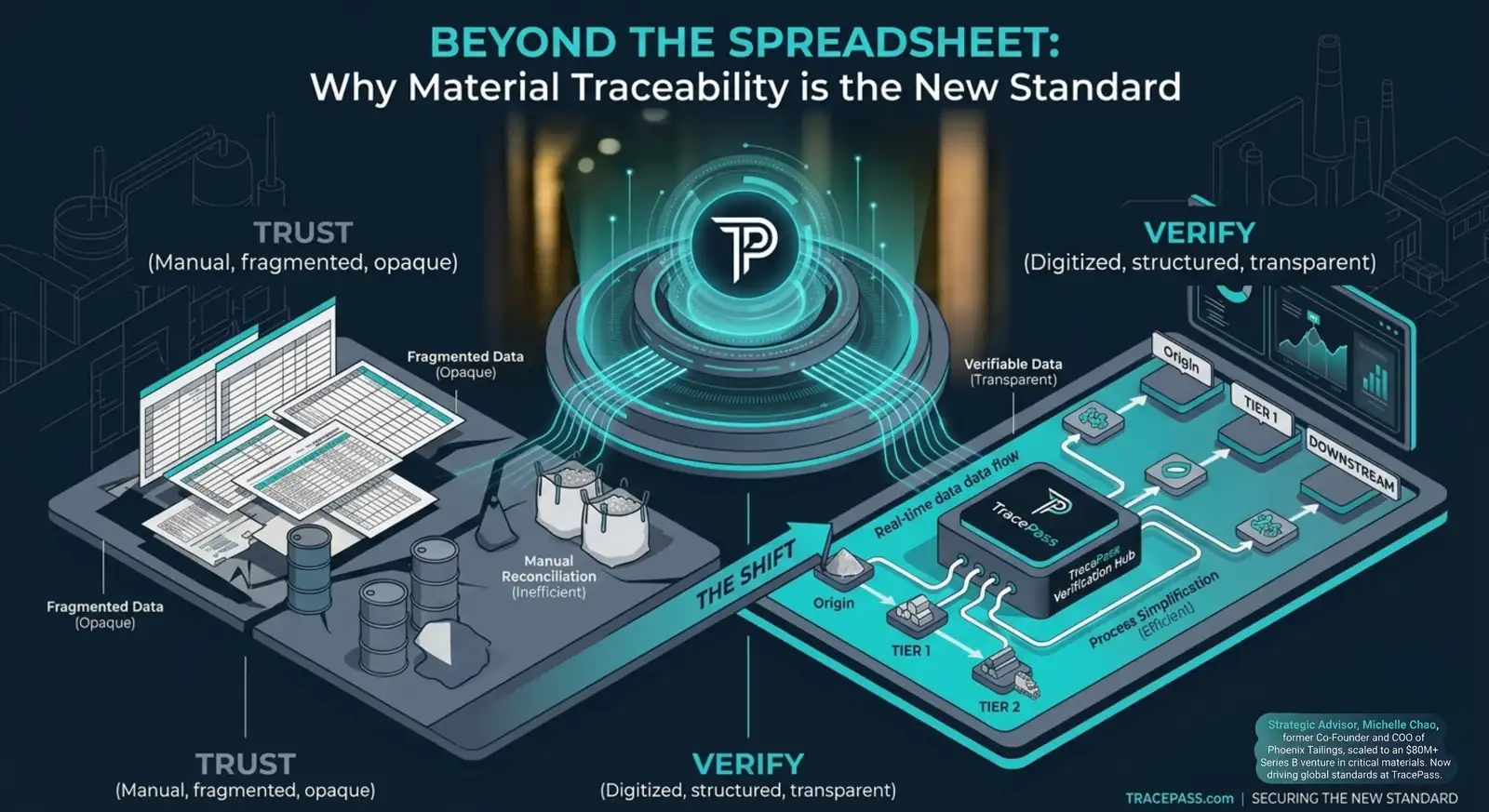
Beyond the Spreadsheet: Why Material Traceability is becoming the New Standard for Industrial Growth
*The Problem with Manual Traceability*
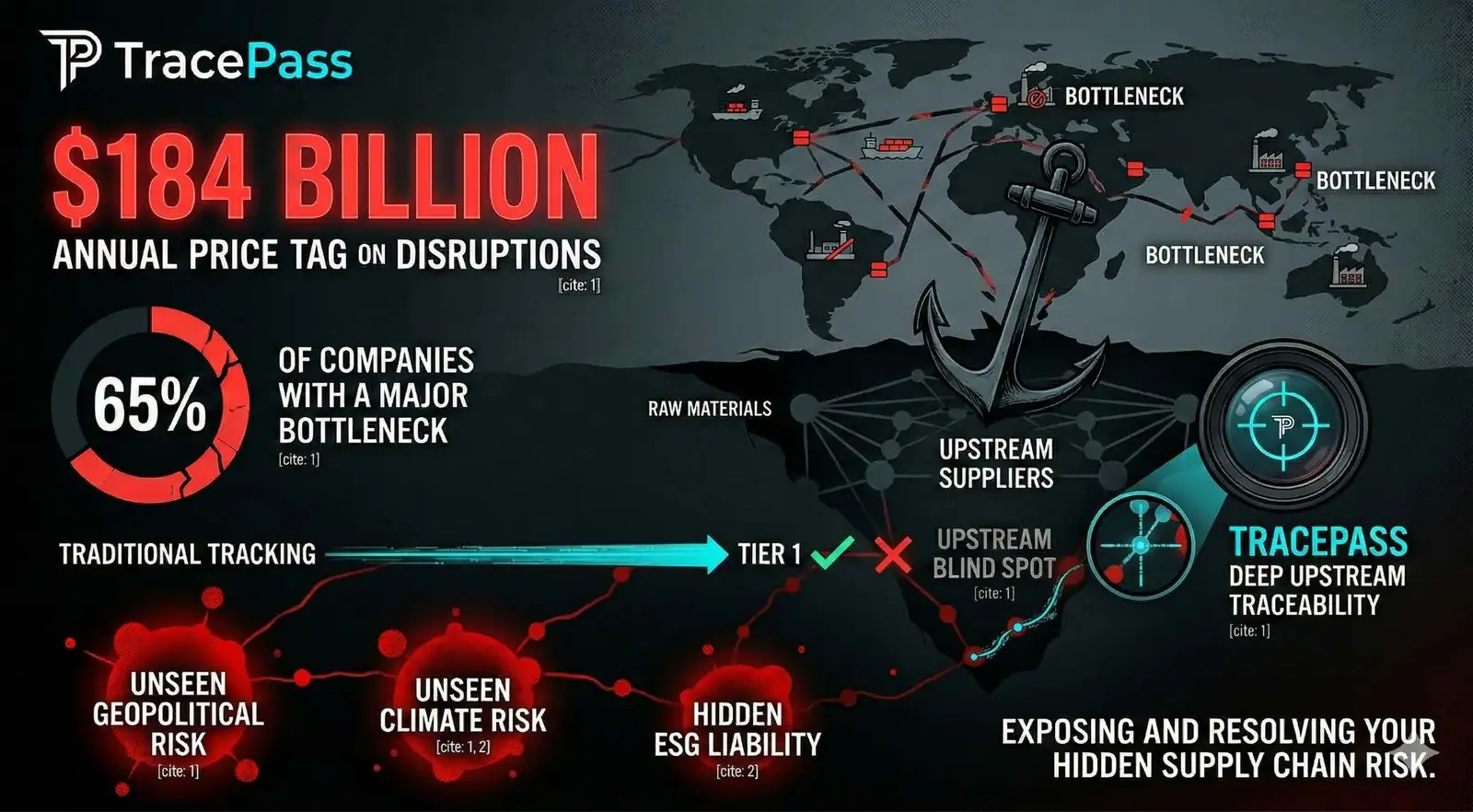
The $184 Billion Opacity Tax
The global supply chain has moved past the point where we can just "set it and forget it." According to recent insights from Marsh, 2026 is becoming a defining year shaped by geopolitical shifts, climate-driven bottlenecks, and a…
The End of the Black Box: Why Lockheed Martin’s Strategy Validates the TracePass’ Mission
In today’s global supply chains, operations (Ops) teams are under constant pressure to deliver faster, cheaper, and with full compliance.
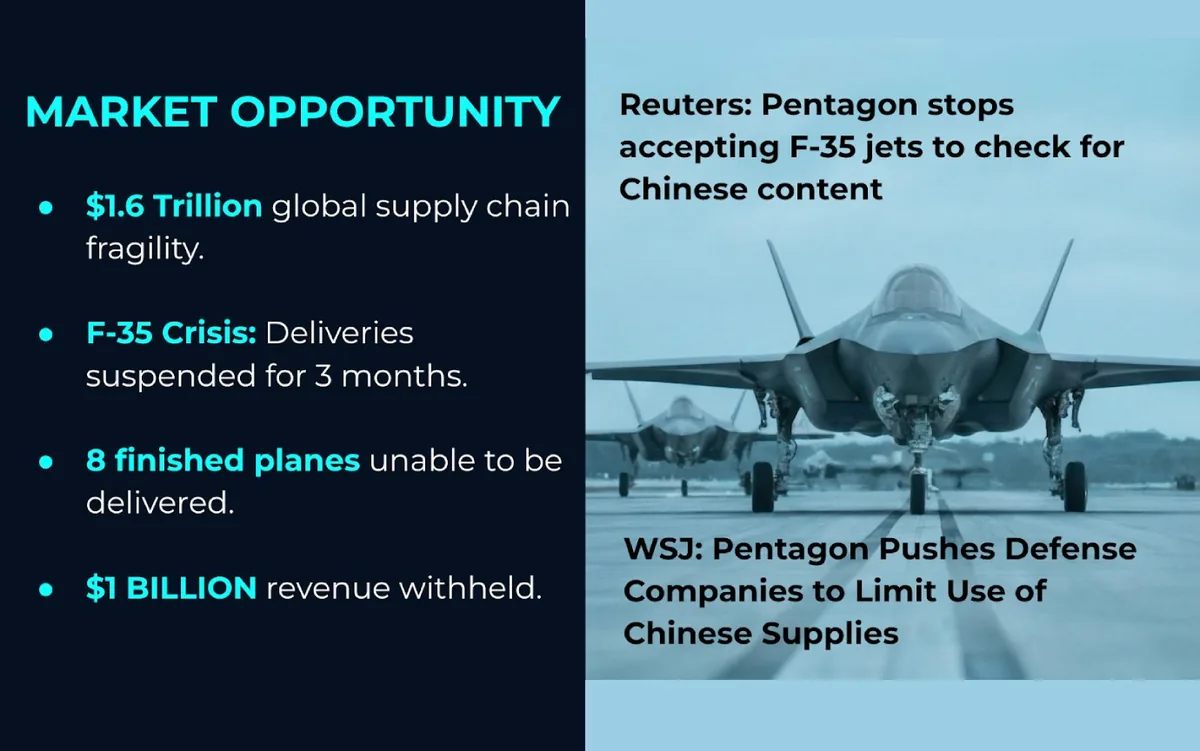
The High Cost of the Unknown: Why the F-35 Delivery Halt is a Wake-Up Call for Defense Supply Chains
The defense industry recently faced a blunt reminder that what you don’t know can quite literally ground your mission. When the Pentagon halted deliveries of the F-35 Lightning II after discovering a Chinese-sourced alloy in a…
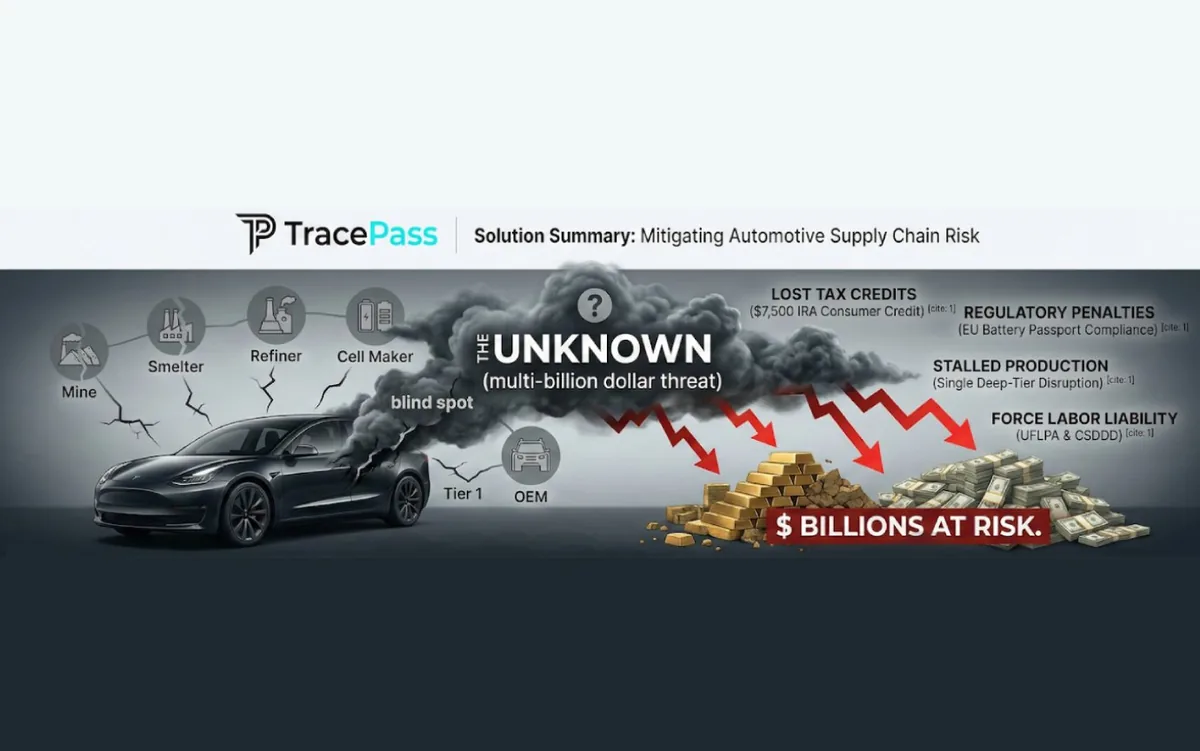
The High Cost of the Unknown: The Invisible Threat: Why Critical Metals Supply Chain Opacity is Costing OEMs Billions
In today’s global supply chain ecosystem, traceability is no longer optional. Businesses must prove product origin, verify compliance, and maintain transparent records across multiple stakeholders.
The $20 Billion Blind Spot: Why Rare Earth Traceability is the Next Frontier for Automotive and Defense
In the modern industrial economy, the most critical assets aren’t just the materials we use, but the data that follows them.